Q&A With New VP of Community Programs, Charles Hurd
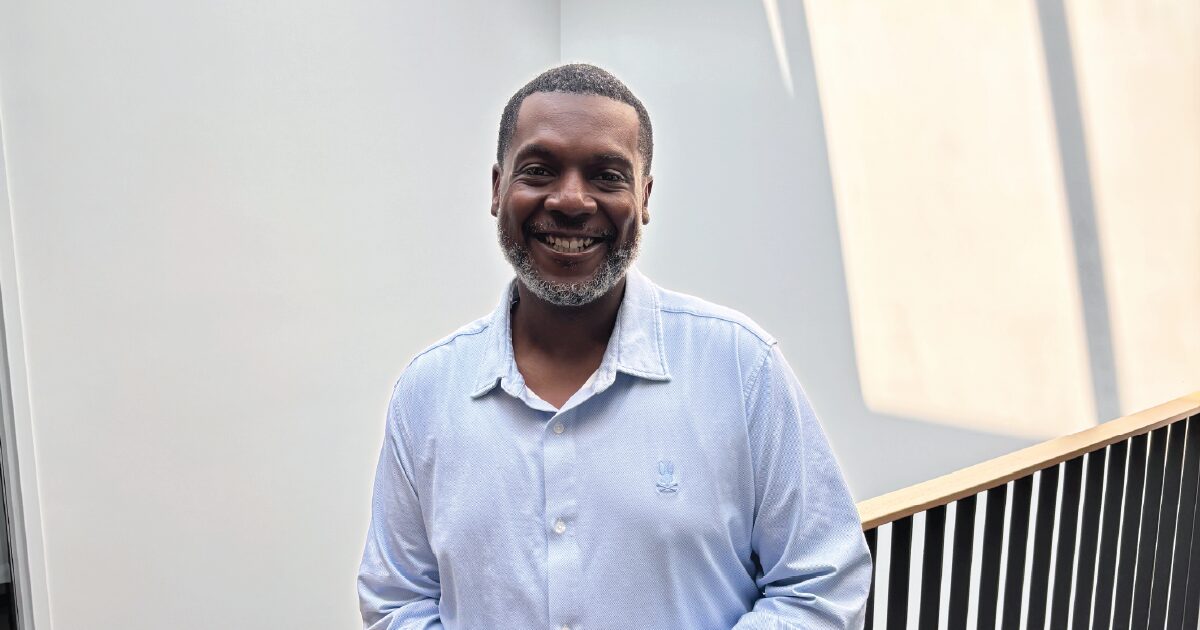
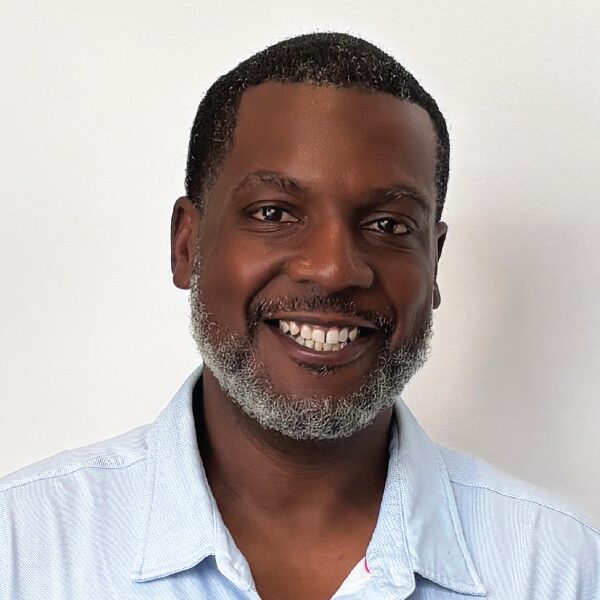
The Family Partnership is thrilled to welcome our new Vice President of Community Programs, Charles Hurd. Charles is an experienced community leader with a background spanning 15 years of business management and nonprofit service. He is a seasoned professional adept at nurturing community partnerships and leading teams to success.
Charles’ previous role as COO of MAD DADS, a Minneapolis nonprofit and his prior experience as an executive in various regional management roles reinforces his strengths in managing budgets, improving operations, and leading community-facing work.
In this Q&A, we asked Charles how past leadership roles have prepared him for this opportunity and his vision for the future of programs at TFP.
What was it about The Family Partnership specifically — our history, our 2Gen approach, our programs — that made you want to lead here?
The culture resonated immediately: expecting better outcomes when we support caregivers and kids together makes obvious sense and aligns with how I think about systems. Combine that with nearly 150 years of community trust and a broad set of programs, and you get an organization that can both honor that history and make smart, meaningful change. I wanted to be part of something with deep roots and room to innovate.
You have a long history leading teams in the corporate sector. What drew you from the corporate/hospitality world into community-based work?
I loved the people side of hospitality — building teams, smoothing operations, and solving problems quickly — but over time I wanted the work itself to connect more directly to people’s lives. Community-based work lets me bring the same focus on service and systems to something that matters in a different way: helping families build stability and opportunity. I want to use the skills I’ve developed over my career to support TFP’s mission to build strong families, vital communities and better futures for children.
What does “mission-driven” mean to you, personally — not just as a résumé line, but as something that motivates you to show up every day?
To me, being mission-driven means the organization’s purpose guides every decision, from strategy down to the small choices we make on a Monday morning. It’s about waking up knowing the work matters beyond profit or metrics — and that our efforts remove real barriers for families. That purpose keeps me focused when things get hard and helps prioritize what we invest time and energy in.
What do you want families, staff, and partners in the community to know about your leadership style as you settle into this role?
I lead by listening first and being transparent about what I hear and plan to do. I value frontline expertise and want staff and families to help shape solutions. I’ll bring structure, clarity, and accountability, but decisions should be informed by the people doing the work. I’m practical, data-informed, and relationship-focused and ready to roll up my sleeves.
You’ve spent years in roles built around performance metrics and operational excellence. How do you think about “success” differently when the outcome is a family’s wellbeing rather than a sales target?
The tools are similar. Clear goals, data, continual improvement all matter — but the timeframe and stakes change. Success at TFP is about durable gains: a child ready for school, a parent in stable work, a family housed and connected to resources. Those outcomes require patience, relationships, and measures that capture progress over months and years, not just the next quarter.
TFP has been doing this work for nearly 150 years. What excites you most about stepping into that legacy right now?
I’m excited to steward what’s already working while helping the organization adapt to current challenges. There’s a real opportunity to modernize processes, strengthen partnerships, and scale proven practices all without losing the community relationships and institutional knowledge that got us here. That balance between honoring the past and pushing forward is energizing.
As you look at the home visiting and PRIDE program under your oversight, where do you see the biggest opportunity to make an impact in your first year?
In year one I want to focus on reducing friction for families and improving how we measure outcomes across programs. Practically that means streamlining intake and referrals so families get connected faster, improving data alignment so we can learn what’s working, and supporting staff to coordinate more seamlessly across programs. Those changes will make families’ experiences smoother and help us amplify impact.