Thank you for building family and community strength this year.
Whether you participated in programs, donated, volunteered or advocated, you helped weave together a stronger fabric in households and communities across Minneapolis.
One of our core beliefs is that all families and communities have strengths. As you read about staff, participants and partners sharing strengths of their own families and communities, we invite you to reflect:
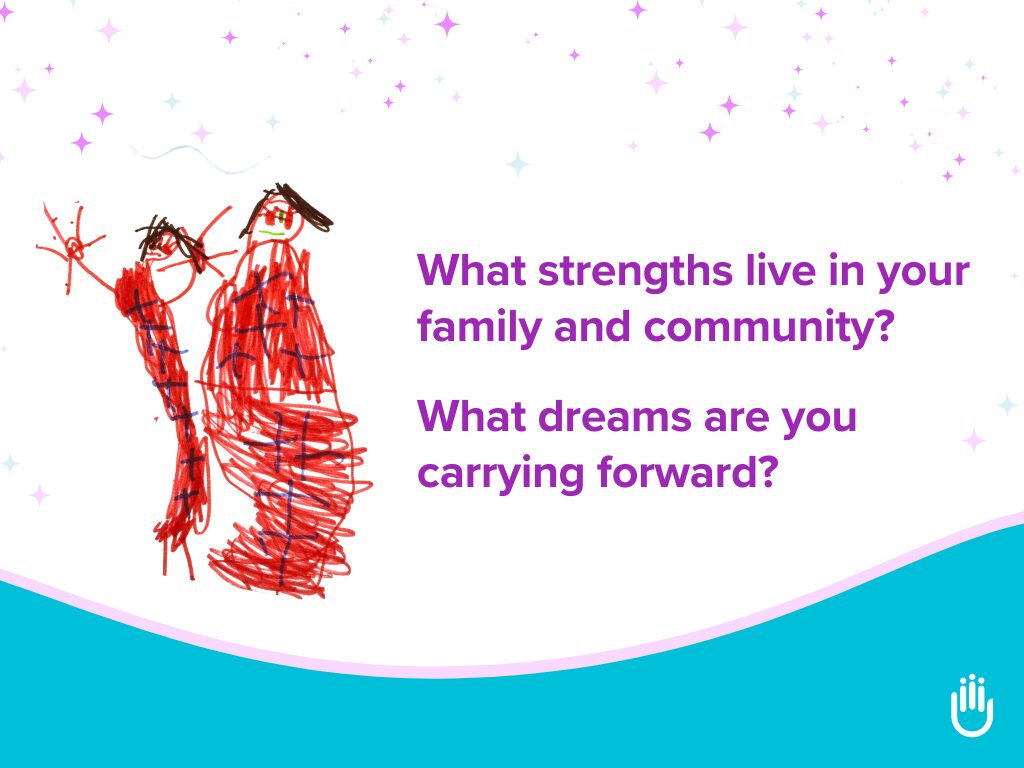
- What strengths live in your family and community?
- What dreams are you carrying forward?
Together, let’s continue to nurture the strength that lives in each of us and pass it along to future generations.
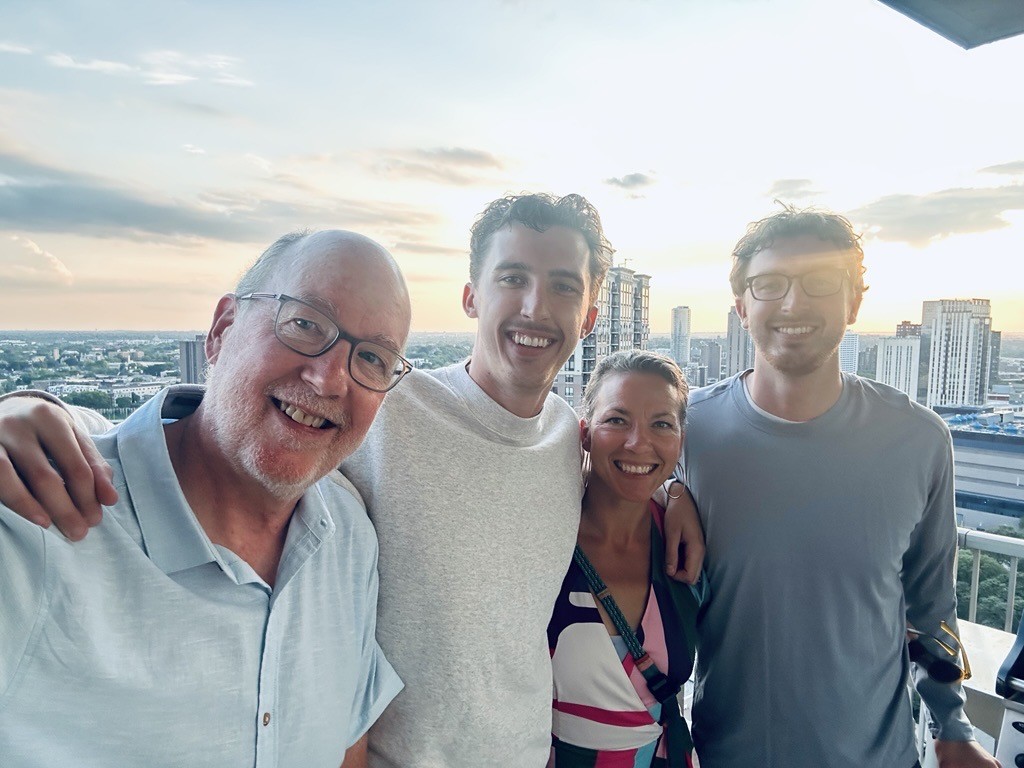
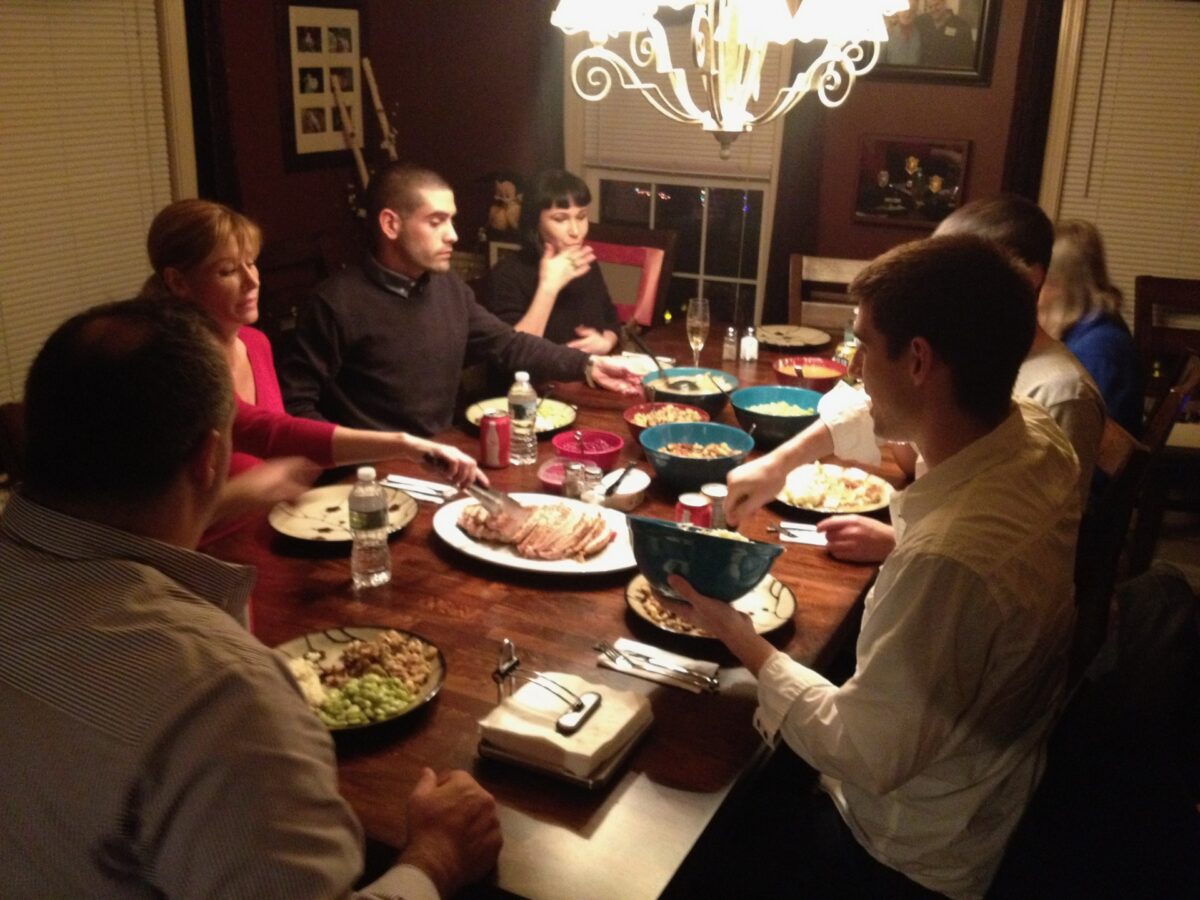
When my grown sons come home for the holidays, we eat family meals together twice a day. It’s not mandatory, but none of us want to miss it. Full bellies, full hearts—that’s how we do it.
Emily Larson, President & CEO
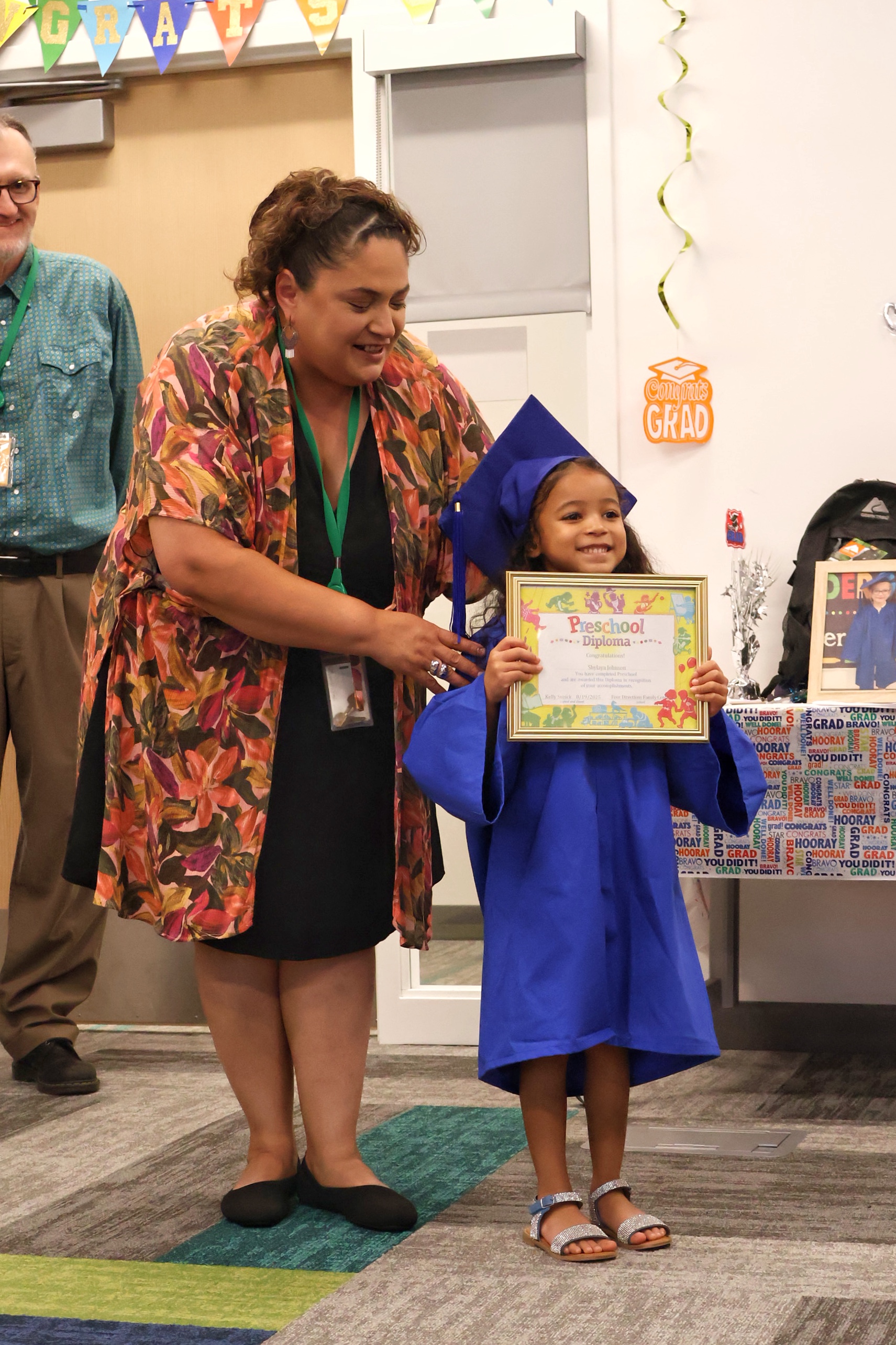
When families and teachers work together, children grow stronger. I’m grateful to be part of that shared strength at Four Directions.
Kelly Suzick, Assistant Director, Four Directions Preschool
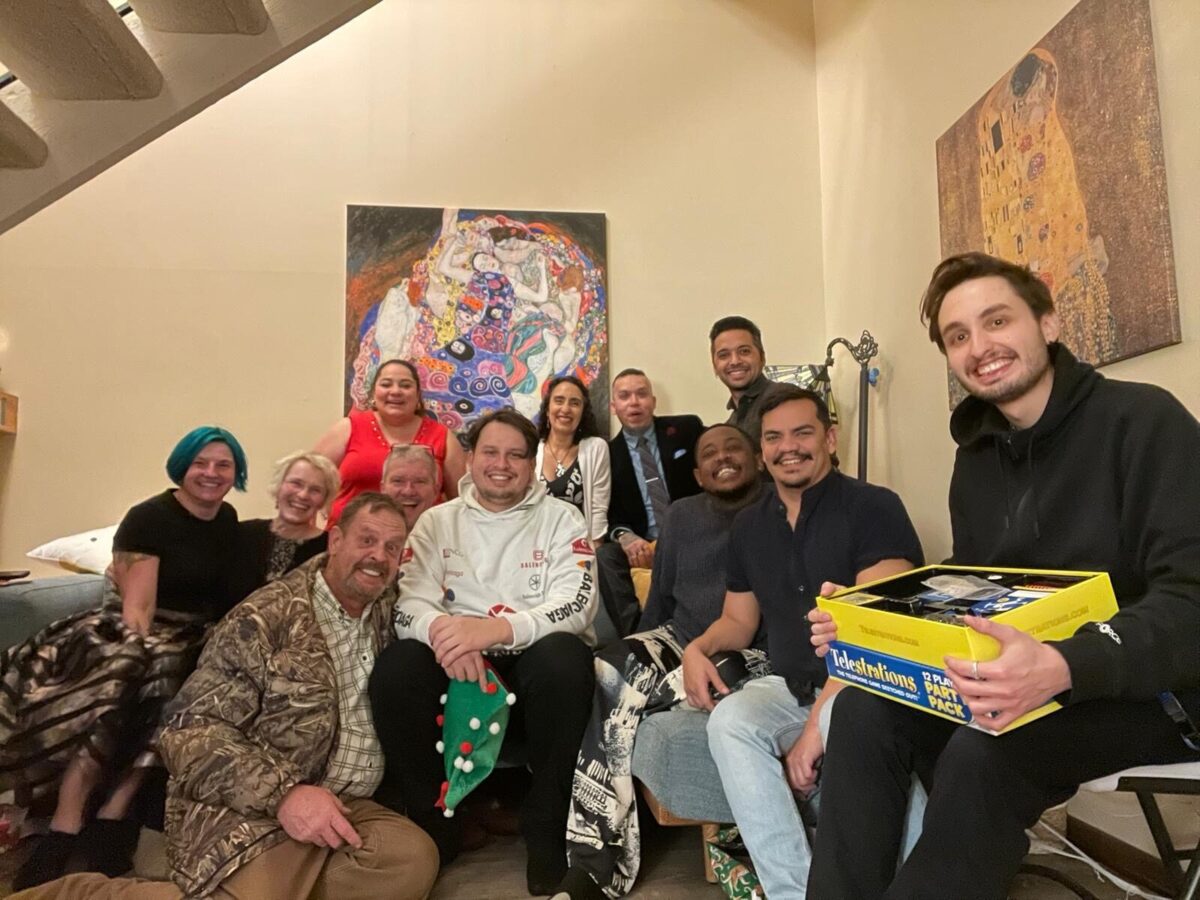
I’ve decided to live in the present and appreciate the people around me. Sharing blessings with my community helps us through the hard times.
Juan Cordero, Office Manager
My community and family are strong because it shows up for people when they are most vulnerable. Strength to me is not perfection—its compassion, consistency, and the willingness to help someone rebuild their lives when they have nothing left.
My family is strong because I have love and support. I finally have people who love and care about me. PRIDE has helped me rebuild my life, and showed me that community can be a lifeline, I walked in as a stranger, homeless in active addiction, being exploited through prostitution and mentally unstable. They provided safety, clothes, shower, food and case management. They were the first people I could trust in a very long time. They welcomed me with dignity and care.
PRIDE continues to strengthen me today, by walking beside me, through their support I was able to get and stay clean, they’ve helped with my housing and my education. Today I have full custody of my son, I have my own apartment and am working towards my goals. PRIDE did more than help me with resources; they helped restore my sense of belonging and showed me what a strong healthy community looks like. I invest in my own long-term healing and I see myself as part of that community not just a recipient.
PRIDE Participant
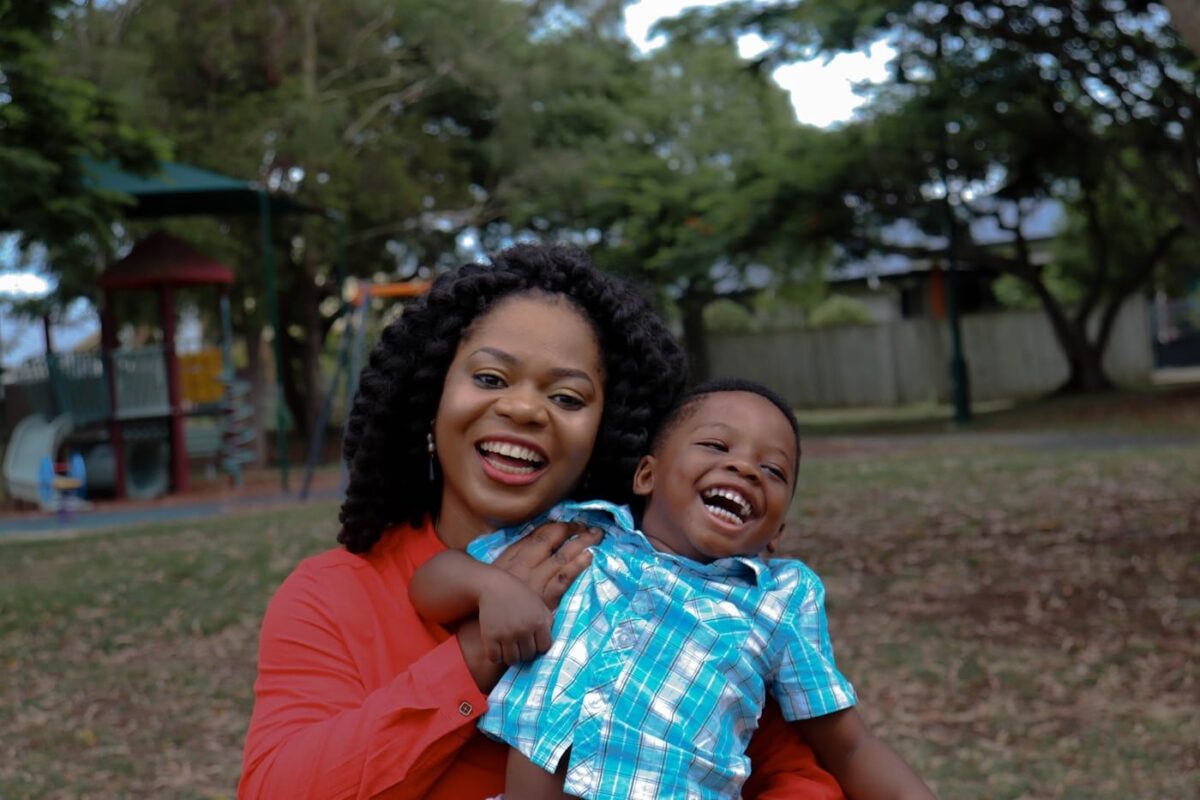
My family taught me that when things are hard, and you don’t feel strong, there is always a way forward—even if it is hard to see in the moment.
First, take a tiny step: gather your strength by looking for a silver lining. Turn to whatever positive you can find in the moment. Next, write down your options. There are always options! (And you have power there.)
Then, take just one tiny step forward—whatever is small enough to do. Make sure to celebrate every small win. As hard as it is, eventually, you feel strong again. And proud of what you endured.
Meshach Weber, Board Member
We wish you and yours a very Happy Holidays and bright start to 2026!
To learn more about building strength in families and communities through The Family Partnership, read about us, our services, and approach.

The Family Partnership is teaming up with Reflection Sciences to bring our groundbreaking EGG Toolkit to preschool classrooms nationwide. The executive function curriculum launches in the 2026-27 school year. Together, we’re giving teachers research-backed, easy-to-use tools. These tools nurture joyful learning, build healthy brain development, and set children up for lifelong success.
John Everett Till, The Family Partnership’s Chief Strategy Officer, learned that new brain science takes nearly 20 years to reach early childhood classrooms. He knew that was too long to wait. In 2017, Till partnered with Chris Wing, CCC-SLP, Ph.D., to create EGG Toolkit (Empowering Generational Greatness), a classroom-tested curriculum for preschoolers. EGG helps children build executive function skills like focus, self-regulation, and problem-solving during peak brain growth.
Through our partnership with Harvard Center on the Developing Child, we rapidly tested, improved, and refined EGG in our therapeutic preschools and partner programs. The result? A proven, scalable curriculum now ready to reach more children nationwide.
National Distribution of an Early Learning Curriculum Through Reflection Sciences
Reflection Sciences is the exclusive distributor of EGG for Preschools, with the curriculum available to programs nationwide starting in 2026-27. Early childhood educators gain access to the curriculum and ongoing professional development from The Family Partnership, ensuring teachers are fully supported.
What makes this collaboration so powerful is how our two innovations work hand in hand:
- EGG Toolkit gives teachers a daily curriculum that strengthens executive function through language, storytelling, and mindfulness.
- Reflection Sciences’ Minnesota Executive Function Scale (MEFS) measures each child’s brain development at key points throughout the year.
The MEFS is a gold-standard, web-based assessment of executive function in early childhood. It provides objective, real-time insights into children’s cognitive skills. This helps educators tailor instruction and track growth. When paired with EGG Toolkit, the MEFS enables a complete system for supporting and measuring essential brain skills.
Together, these tools create a complete cycle of growth that strengthens essential skills through play while giving preschool teachers the tools to foster self-regulation and attention in the classroom.
A Partnership Advancing Child Development and Preschool Success
The collaboration with Reflection Sciences began eight years ago. We spotted a flyer about the MEFS at the University of Minnesota. Both organizations quickly recognized a shared purpose with complementary strengths. The Family Partnership focused on building young brains through storytelling and play. Reflection Sciences developed cutting-edge tools to measure that growth.

Isaac Van Wesep, CEO of Reflection Sciences, has seen firsthand the impact of TFP’s work. He’s visited our early childhood sites in Minneapolis and observed our positive impact on families and young children, even those facing adversity and trauma that can disrupt executive function development.
“The Family Partnership has taken what researchers know about early brain development and trauma and translated it into practices that help whole families move forward,” says Van Wesep.
TFP’s strengths-based approach resonated deeply with Van Wesep’s vision. He champions innovations grounded in brain science and proven effective in real classrooms.
For Van Wesep, this work is personal. He was born with intelligence but didn’t fully develop executive function skills as a child. Those early experiences shaped his life. He can’t change his own childhood, but he can help create better outcomes for other kids.
The Family Partnership has taken what researchers know about early brain development and trauma and translated it into practices that help whole families move forward.
Isaac Van Wesep, CEO, Reflection Sciences
Why Executive Function Matters Now More Than Ever
Executive function (EF) skills have emerged as an important predictor of school readiness and long-term success in life.
Yet millions of young children begin preschool already at a disadvantage. Research shows that nearly two-thirds of U.S. children experience at least one adverse childhood experience (ACE). These include poverty, community violence, or caregiver stress. Adversity and trauma can disrupt healthy brain development. The effects are far-reaching. Children who face chronic stress or trauma often struggle with self-regulation and attention. This widens the opportunity gap that persists well into grade school and beyond.
At the same time, teachers are carrying an increasing emotional load. Managing classrooms where many children have difficulty focusing or calming themselves can lead to burnout and high turnover. This undermines stability and learning for everyone. Educators need tools that support children’s brain growth. They also need tools that make classrooms more joyful and sustainable places to teach.
TFP created EGG Toolkit to help preschool children build the executive function skills that buffer against trauma and stress. The curriculum gives teachers practical tools to nurture reflection and connection in the classroom. The toolkit helps close opportunity gaps and strengthen program success for both children and teachers.
Results from early pilots of EGG show statistically significant improvements in emotional language, storytelling, and classroom behavior. These are key behaviors associated with executive function. Full results from our statewide pilot will be available in early 2026.

Strengths-Based Learning Assessment for Preschoolers
A major breakthrough in this partnership is how the MEFS solves a longstanding challenge in early childhood assessment, balancing objectivity with practicality.
Traditional executive function assessments often rely on observational checklists—subjective tools that can be influenced by bias. TFP’s teachers found those discouraging and wanted something that highlighted children’s strengths.
The MEFS changes that. Using a web-based game, children complete interactive tasks that directly measure cognitive skills. When they reach a level they can’t pass, the game cheers and makes a positive exit, giving a clear, encouraging picture of how each child is doing.
The scientific rigor behind the MEFS sets it apart. It’s the first digital, direct measure of executive function that doesn’t require a human observer, eliminating inter-rater bias.
With a normed dataset of more than 52,000 children—over ten times larger than comparable assessments—the MEFS delivers exceptional reliability. It can detect changes in children’s executive function skills on a month-to-month basis, giving teachers actionable data to guide instruction and measure progress over time.
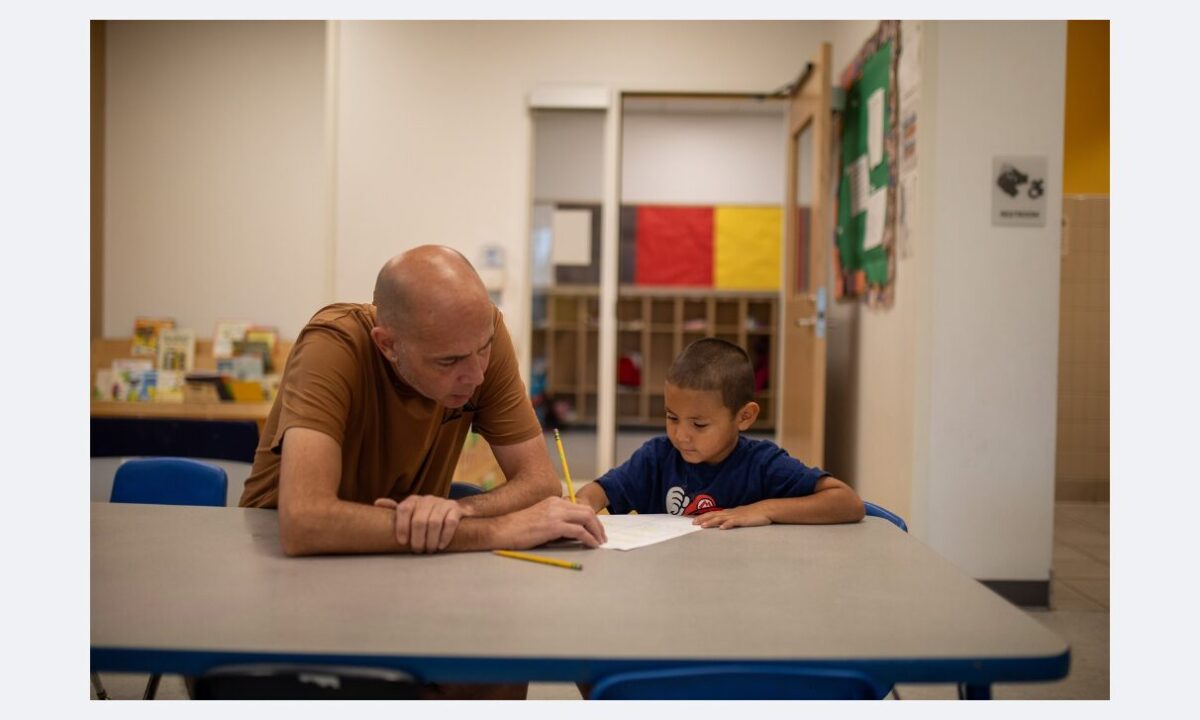
From Minnesota Classrooms to Early Childhood Programs Nationwide
Both The Family Partnership and Reflection Sciences are Minnesota-grown organizations committed to helping all children succeed. Till sees the partnership as key to expanding EGG’s impact across the country.
“With EGG and the MEFS, we have something that can benefit children across the country,” Till says. “A generation is too long to wait. This is our chance to reach thousands of families—and the timing is right, as more people recognize that executive function is the foundation of school readiness.”
Reflection Sciences provides the technology and distribution capacity to make that vision possible. They had the MEFS assessment tool but wanted a curriculum to go with it—making it a perfect match. EGG and MEFS together give preschool classrooms everything they need to support each child’s success.
Van Wesep envisions even deeper integration ahead, with opportunities to embed EGG within Reflection Sciences’ technology platform. Imagine a system where assessment and curriculum work seamlessly together, helping educators tailor support for every child in real time.
We have something that can benefit children across the country. A generation is too long to wait.
John Everett Till, CSO, The Family Partnership
Building Resilience Through Early Brain Development
At its core, this partnership represents a breakthrough in early childhood education by bridging the science of healthy brain development with the everyday realities in preschool classrooms.
Through the combination of rigorous assessment and a proven curriculum, early childhood educators gain the insight and tools to nurture every child’s executive function growth during the critical preschool years.
As these innovations expand nationwide, The Family Partnership and Reflection Sciences are ensuring that cutting-edge brain science reaches the children who need it most. This collaboration—built over nearly a decade—demonstrates what’s possible when organizations unite around a shared commitment to help families thrive through evidence-based support for executive function development.
EGG for Preschools is available for the 2026-27 school year through Reflection Sciences. Interested programs can learn more and schedule a demonstration.
Ten years ago, Cheyenne was living on the streets in Minneapolis and experiencing sexual exploitation. That’s when she heard from another survivor about a place where she could do her laundry for free: a drop-in center run by The Family Partnership’s anti-sex trafficking program, PRIDE.
A Place to Rest and Begin Again

At first, Cheyenne was hesitant to visit PRIDE’s drop-in center because there weren’t many safe spaces available to her. But she took a chance and visited. Our drop-in center soon became a place Cheyenne could visit on cold days.
She could get a warm meal, take a hot shower, or get some much-needed sleep. Most importantly, she found a place with us where she could meet her basic needs without judgment.
Cheyenne always knew she wanted something different for herself. After some time, she was ready to make a change. Her ultimate goal was clear: regain custody of her son.
She knew the first step in her journey was to get sober. Cheyenne started meeting with a PRIDE case manager to set goals and develop new coping skills. As she built more stability, she was able to get sober and exit the life of trading sex.
Cheyenne always knew she wanted something different for herself…Her ultimate goal was clear: regain custody of her son.
Finding Support, Every Step of the Way

For years, Cheyenne stayed focused on her goals. She took one step after another toward the life she envisioned for herself and her son.
Over time, she tapped into additional resources from The Family Partnership for support along the way. Cheyenne saw a mental health therapist to address her past trauma and worked with a parenting educator to develop self-regulation and parenting skills.
As Cheyenne pursued her own healing, she became more present for her son, which strengthened their relationship.
As Cheyenne pursued her own healing, she became more present for her son, which strengthened their relationship.
Mother and Son Reunited
This year, Cheyenne accomplished her ultimate goal: she obtained full custody of her son.
Her case manager, who had walked alongside Cheyenne for years, had the privilege of witnessing this life-changing moment when Cheyenne’s family was legally reunified.
Thanks to Cheyenne’s persistence and self-advocacy, she is now parenting her son full time in their new home. Cheyenne will be there for all the important moments, from reading books at bedtime to joyful birthday parties. Next year, when he enters kindergarten, Cheyenne will be there to take first-day-of-school photos and walk him into his classroom.
Cheyenne’s relentless pursuit of healing has built a better future for her family.

More Families Are Seeking This Support
Cheyenne’s story is powerful, but she is not the only one. Right here in Minneapolis, new people come to our drop-in center every week as the first step toward a better day or a better life.
The Family Partnership’s anti-sex trafficking program, PRIDE (Promoting Recovery, Independence, Dignity and Equality), provides support services to sexually exploited adults, youth, and their families so they can live a life free of exploitation and abuse and move toward self-sufficiency.
This work—and our ability to walk alongside hundreds of survivors each year—is made possible in part through the generosity of community members who believe in healing and hope.
With the right support and resources, survivors of sexual exploitation can take steps toward long-term healing and brighter futures for their families—just like Cheyenne did.
Learn more about PRIDE’s offerings, history and partnerships here.
Give by midnight on May 11, Mother’s Day, to support mothers and caregivers through The Family Partnership’s 2Gen programs. Like the daisy, which turns toward the sun to grow and thrive, mothers shine brightest when supported by a strong community. Rise and Shine is a campaign to uplift and honor mothers who work every day to create brighter futures for their children.
Reaching Towards the Sun: Amber’s Story
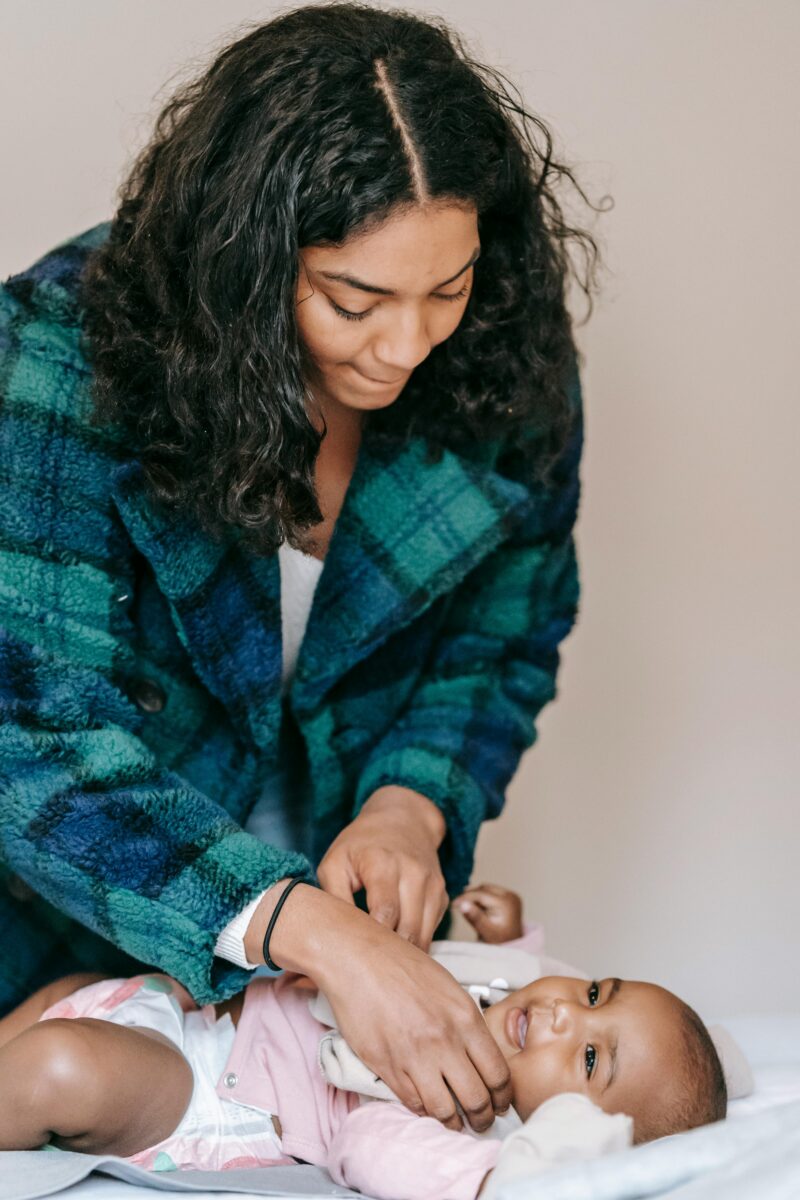
My name is Amber. I am a mother of six, a full-time student, an intern, and the steady force in my children’s lives. Raising six children under ten—especially with some of them having developmental delays—requires faith and a lot of patience. My oldest has autism, and my five-year-old twins are being evaluated for a spectrum diagnosis. Each of my children has unique needs, and it takes a lot of effort to support them and find resources to help them thrive.
I’ve always been strong, and I’ve always had the potential to succeed. But without the right support, I struggled for years to grow under the weight of it all. Then, one day, while I was pregnant with my sixth child, trying to help my other kids through their dysregulation and big emotions, I realized I couldn’t do this alone. I owed it to myself and my children to seek support and that’s how I met Morgan at The Family Partnership about a year ago. She understood the growth I wanted and helped me take root and begin to rise.
I owed it to myself and my children to seek support and that’s how I met Morgan at The Family Partnership about a year ago. She understood the growth I wanted and helped me take root and begin to rise.
Amber, Mother and Participant in TFP’s 2Gen Programs
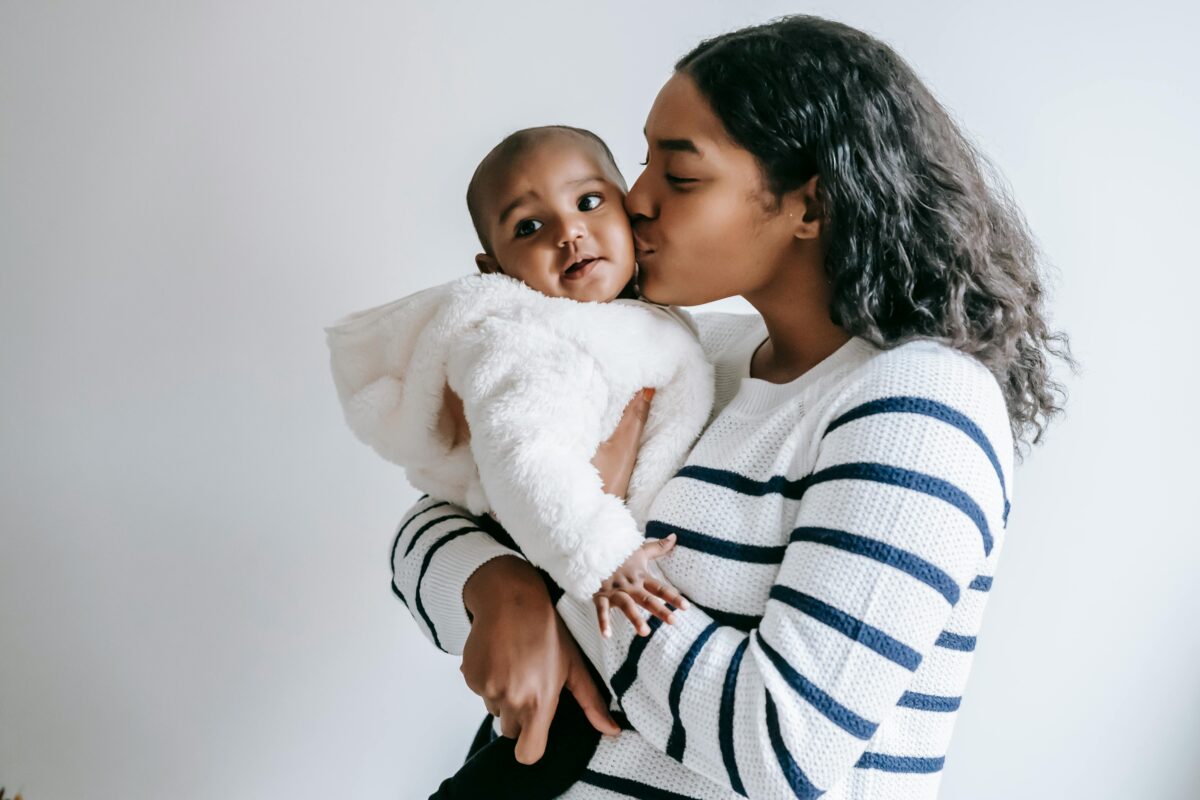
Since then, I’ve grown tremendously. I learned how to meet my children’s emotions with calm instead of stress. When one of my kids is overwhelmed, I have enough emotional capacity to hold them close and sing to them. I’ve also connected my twins to occupational therapy and work with a therapist myself—because I know that taking care of my own well-being makes me an even better mother.
I also found something just as important: a community of mothers at The Family Partnership who uplift and support one another. I’ve learned valuable parenting strategies and built friendships with other moms who are now part of my support system. With all of this good support at TFP, I’ve done more than grown—I’ve truly flourished.
With all of this good support at The Family Partnership, I’ve done more than grown—I’ve truly flourished.
And finally, after years of living in a small apartment, my family is moving into a five-bedroom house. My children will have the space to play, to grow, and to just be kids. I’m creating a sensory room to support their needs and make our home a place of peace and healing.
I’ve faced challenges, but I will never stop reaching towards the sun. I am building a future where my children have everything they need to shine.
Donate Today and Send a Daisy Seed Packet to Honor a Mother in Your Life
Your gift to Rise and Shine helps provides essential support for mothers and other caregivers through The Family Partnership’s 2Gen programs.
At TFP, parent educators like Morgan work with families to understand their needs and share resources that help each member of the family thrive. We also coordinate parenting groups to help mothers build a reliable, long-term support systems that they can lean on.
Will you help more moms like Amber access the resources they need to help their family bloom?
Remember: the deadline to give is midnight on May 11th, Mother’s Day!
In appreciation, you can honor a mother in your life with a special daisy seed packet—a cheerful reminder of the care, strength, and support that helps families flourish. Daisy seed packets are available with donations to Rise and Shine only until April 25th.
At The Family Partnership, we believe in generational healing and wellbeing—and this starts with experienced and strategic leadership. We are excited to announce that we have launched a search for our next President & CEO, in partnership with CohenTaylor Executive Search Services.
The President & CEO will be responsible for advancing The Family Partnership’s mission and vision while providing strategic leadership across the organization’s operations, including administration, finance, and programs. As the primary representative of TFP, this leader will cultivate and strengthen meaningful partnerships with key stakeholders to drive impact and innovation.
The ideal candidate will be a dynamic and relationship-centered leader with a track record of guiding complex teams and fostering a strong organizational culture. Experience in health and human services—particularly in behavioral health, early childhood, youth, and family support—is highly valued.
Location: Minneapolis, MN
Salary Range: $172,000 to $180,000.
Learn more about the position and apply here:
About The Family Partnership
For more than 147 years, TFP has successfully partnered with families and individuals to remove barriers and clear the path to success for those who have experienced deep poverty and trauma. We strive to be a leader in closing opportunity and achievement gaps for children and families living in poverty by providing high-impact, multicultural services, building powerful partnerships, and changing public policy.
Our holistic services and offerings include:
- Early Childhood Education and Care
- Mental Health Therapies
- Family Home Visiting
- Anti-Sex Trafficking
- EGG Toolkit
TFP’s use of a comprehensive multi-gen approach based on our established two-generation (2Gen) framework puts us at the forefront of breaking intergenerational cycles of poverty, adversity, and trauma. This whole family approach to our services promotes child and family health and well-being across generations to increase economic security, educational success, and overall healthy development.
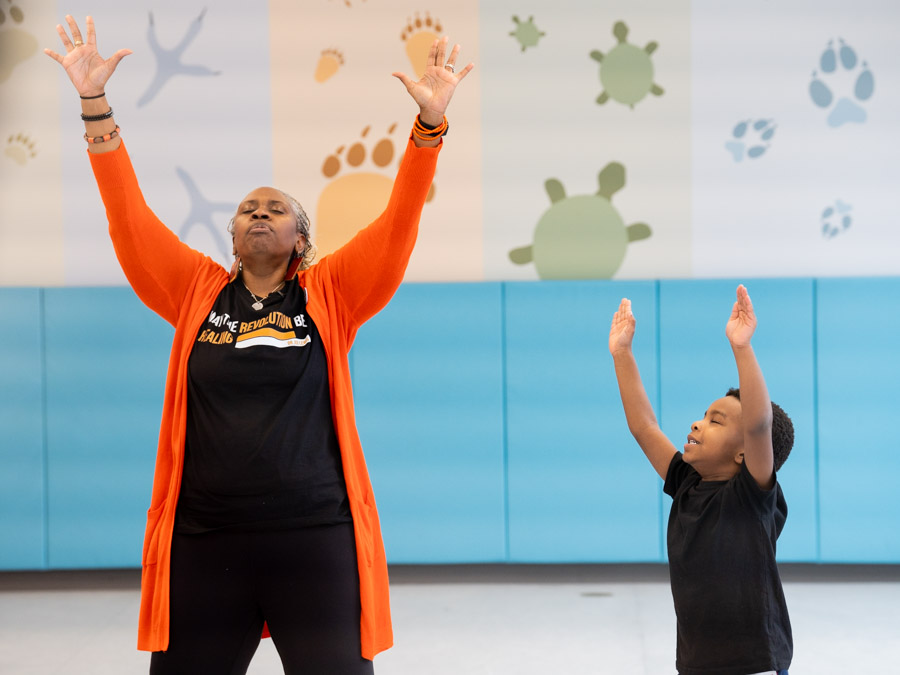
executive function and self-regulation skills at the stage when brain development is at its fastest and most foundational.
Key milestones from 2024 include:
- 100% of children graduating from Four Directions Preschool tested at or above the age-adjusted national median for executive functioning, the overall best predictor of success in school and life. This number includes 51% of children who utilized onsite developmental therapies
- 100% of parents and caregivers enrolled in Parenting for the Future, one of our family home visiting programs, improved their knowledge of childcare and parenting skills
- 94% of clients in outpatient mental health services made progress as determined by their treatment plans
- 85% of clients in our anti-sex trafficking program maintained or increased safety
- Preschool teachers using EGG Toolkit, The Family Partnership’s early childhood executive function curriculum, saw a statistically significant improvement in child behavior after one school year
The Family Partnership is working with the Minnesota Department of Revenue to make sure individuals and families who qualify for new tax credits can access free tax preparation.
Even if you do not have to file a Minnesota income tax return, you can still file to get tax benefits. There are five new Minnesota tax credits you may be able to claim that may help you pay less taxes and get a bigger refund. Let a professional preparer help you claim what you’re eligible for!
Who is Eligible for Free Tax Preparation?
Generally, you can get free help preparing your taxes if:
- You are age 60 or older
- You are a person with a disability
- You speak limited or no English
- Your annual income is less than $67,000
If any of the above statements are true for you, visit the Minnesota Department of Revenue to search for a free Tax Preparation Site. The sooner you find a tax preparation site, the better. Spaces can fill up weeks before Tax Day on April 15, 2025.
How Do I Find a Free Tax Preparation Site?
You can use the Minnesota Department of Revenue’s free tax preparation site tool to find sites.
- You can search by zip code or county
- You can use the Language menu to find sites with help in Spanish, Hmong, Somali, or other languages
All sites only prepare basic returns. Learn more about the services offered at free tax preparation sites by visiting this IRS webpage.
What Do I Need to Provide?
You should bring a picture ID and other personal information to your appointment.
- A government-issued photo ID
- Social Security cards or Individual Tax Identification Numbers for all listed on the tax return
- Birthdates for all listed on the tax return
You should also bring records showing income you received, tax-deductible expenses, and property tax or rental payments you made.
To learn more details about which records to bring, visit the Minnesota Department of Revenue.

Where Do I Learn about Minnesota’s Newest Tax Credits?
You can learn more about the following tax credits on our Minnesota Tax Credits page:
- Minnesota Child Tax Credit
- Working Family Credit
- K-12 Education Credits
- Property Tax Refunds for Homeowners
- Property Tax Refunds for Renters
You can also reach out to the Minnesota Department of Revenue for more information and help:
Minnesota Department of Revenue
Phone: 651-296-3781 or 1-800-652-9094
Website: Minnesota Department of Revenue
This service made available through a grant provided by the state of Minnesota.
Thank you for supporting generational healing in Minneapolis this year. Whether you participated in programs or donated, whether you volunteered or advocated, you are helping this generation to heal so the next generation thrives.
As Bayo Akomolafe writes, “The times are urgent: let’s slow down.” We hope this seasonal care package invites you to slow down and find moments of connection and purpose amidst the busyness of the season.
Together, we can nurture healing and hope for ourselves and future generations.
Strong Families
As part of our 2gen approach, we believe strong families form the foundation of strong communities—advancing generational healing at household and community levels.
- Make a paper window star
- Listen to a Read Along of Winter’s Gifts by Kaitlin B. Curtice, Potawatomi Nation
- Color a holiday page for Wintertime, Kwanzaa, Hanukkah, or Christmas
- Bake a winter treat: Polvorones de Canele, Sufganiyot, or Sweet Potato Pie
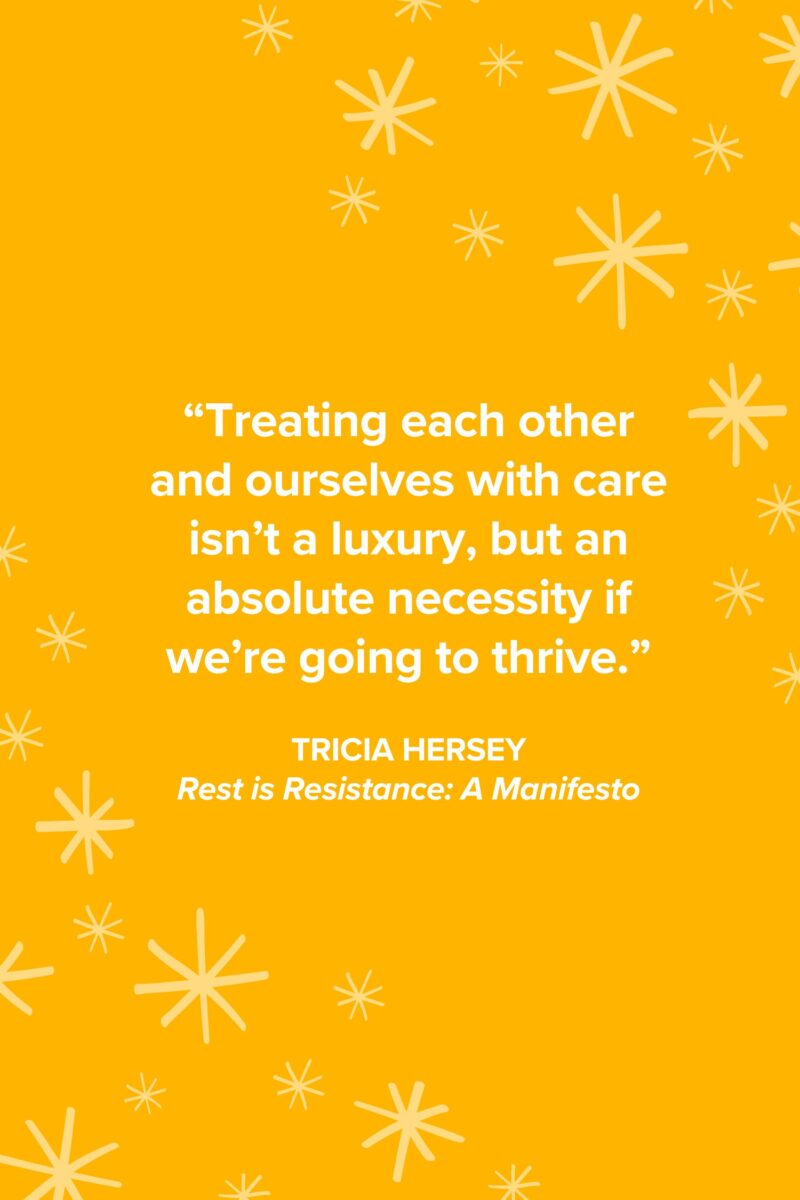
Tricia Hersey, Rest is Resistance: A Manifesto
The times are urgent. Let’s slow down.
Bayo Akomolafe
Vital Communities
Our 146-year legacy of generational healing in Minneapolis includes building partnerships that build community resources and strength.
- Listen to live jazz at Midtown Global Market on December 21 with Wenzo Ashby and guest vocalist “Tiahna”
- Visit Walker Art Center for free during First Free Saturdays
- Plan a visit to the Art Shanties from January 18 to February 9, 2025 at Bdé Umáŋ / Lake Harriet
- Attend an event at Black Youth Healing Arts Center from Irreducible Grace Foundation
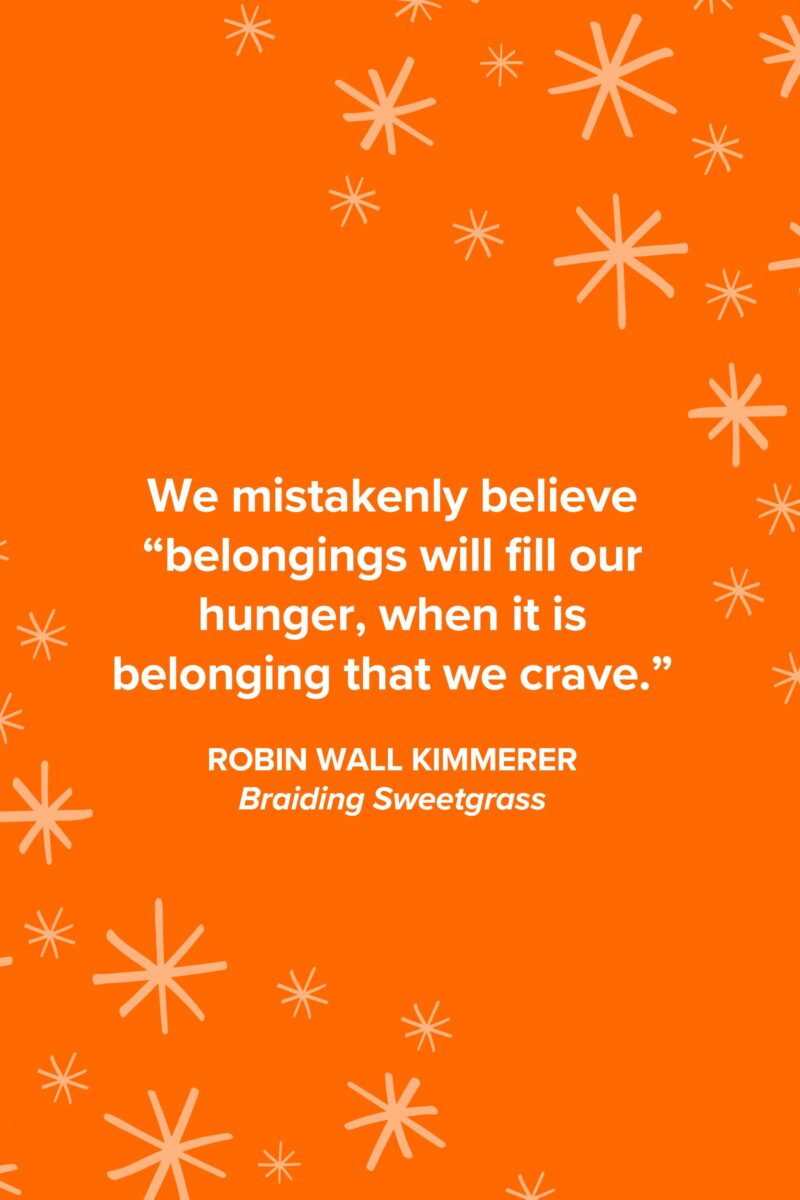
Robin Wall Kimmerer, Braiding Sweetgrass
Better Futures for Children
Strong families and vital communities support a world in which all children, regardless of income or origin, have the opportunity to thrive.
- Belly breathe together with Elmo from Sesame Street, Common, and Colbie Caillat
- Set New Years resolutions for family wellbeing using this guide from Gottman Institute
- Volunteer as a family with The Family Partnership or another organization
- Advocate for affordable childcare in Minnesota using this guide from Think Small
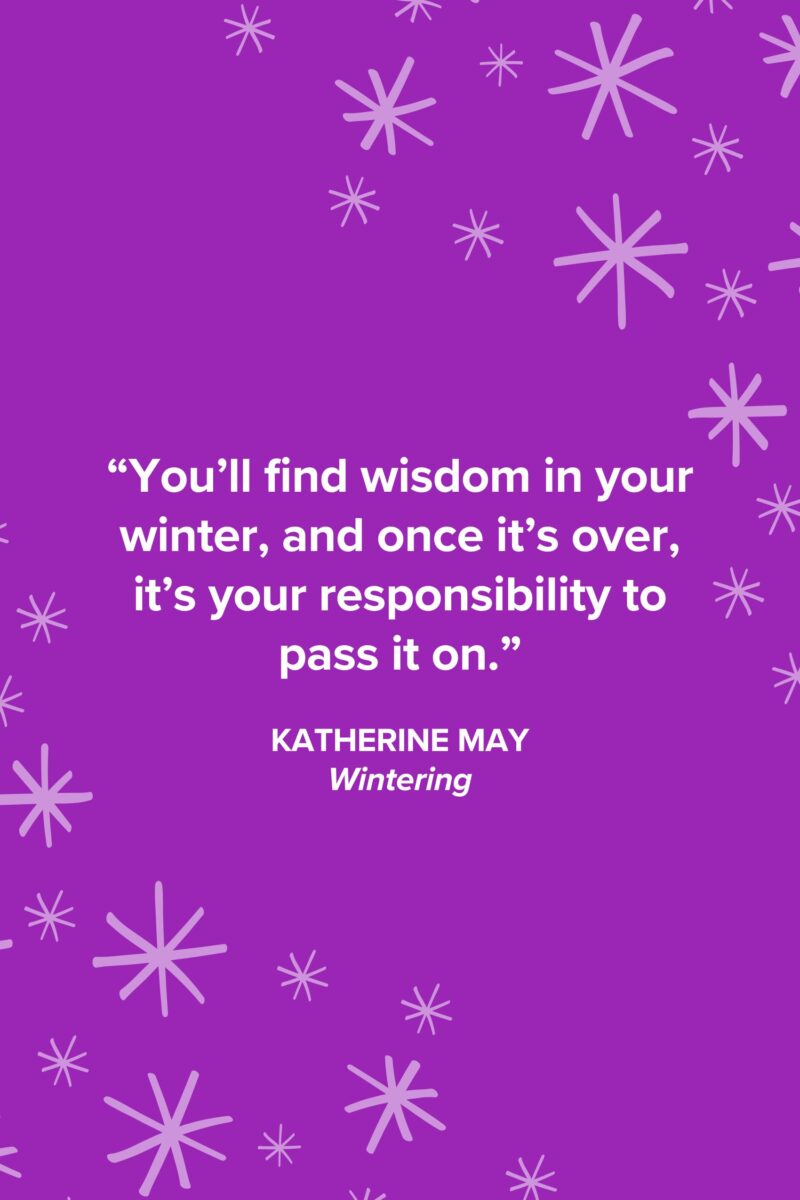
Katherine May, Wintering
Thank you for supporting generational healing in Minneapolis this year.
The Family Partnership Team
The Family Partnership offers play-based therapy for children, including outpatient services at our North Minneapolis and South Minneapolis locations. Play-based therapy is also available for children who attend our preschools, Four Directions and North Minneapolis Preschool, and several local PICA/Head Start locations.
What is play-based therapy?
According to Emily Geffre, Senior Director of Outpatient and Developmental Therapies, “play-based therapy provides an environment where children can explore their thoughts and emotions.” At The Family Partnership, “children get help from our therapists in special therapy rooms and in their classrooms. To a child, therapy feels just like play. But we know play is how young children explore their worlds and express themselves. This makes it a powerful tool for healing in children: it helps them to thrive and learn emotionally, physically, and socially.
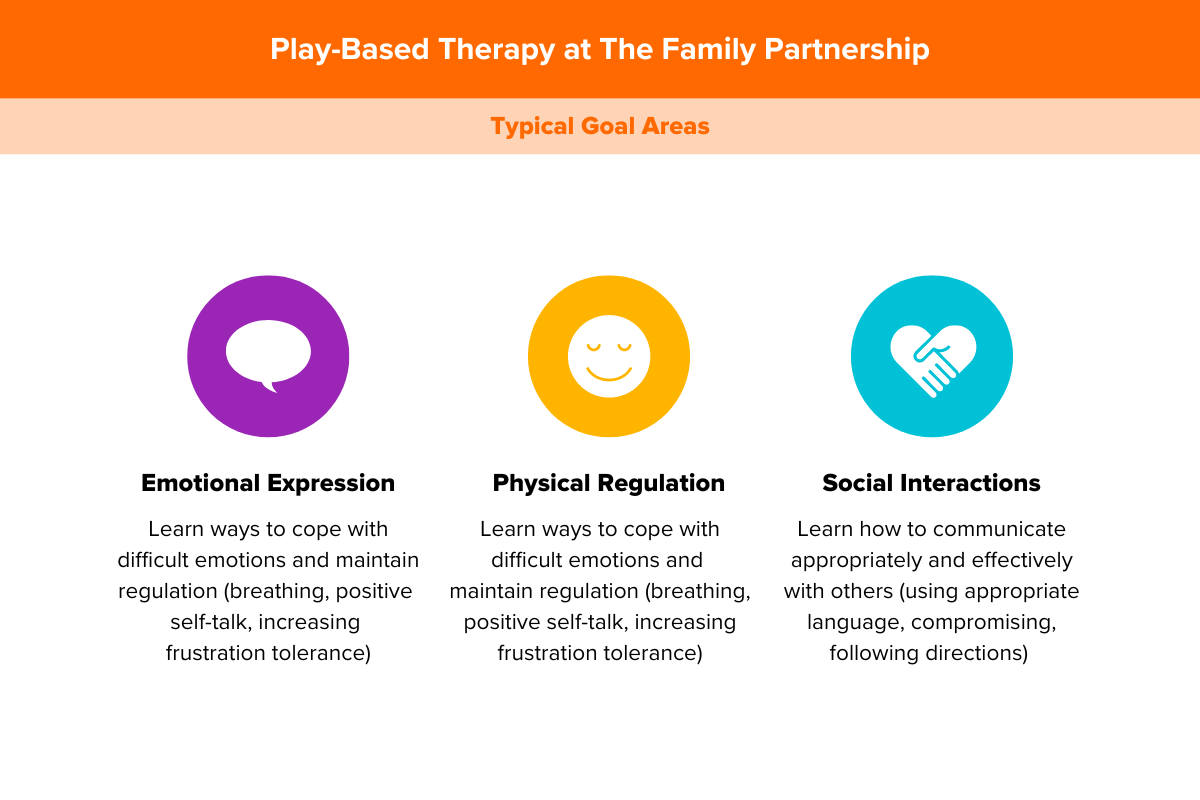
There are three typical goal areas for children in play-based therapy:
- Emotional Expression: learn to be able to identify, experience and express a variety of emotions (sad, mad, happy, frustrated, disappointed, excited)
- Physical Regulation: learn ways to cope with difficult emotions and maintain regulation (breathing, positive self-talk, increasing frustration tolerance)
- Social Interactions: learn how to communicate appropriately and effectively with others (using appropriate language, compromising, following directions)
To a child, therapy feels just like play. But we know play is how young children explore their worlds and express themselves.
Emily Geffre, Sr. Director of Outpatient and Developmental Therapies
Why Play-Based Therapy Works for Young Children—and Why It’s Critical for Racial Equity
Children often lack the words to explain their feelings, especially if they’ve faced trauma or stress. This is particularly important for children of color, who experience higher rates of discipline in schools compared to their white peers—even when their behavior is similar. This discipline gap leads to missed opportunities, including learning essential skills for kindergarten, developing positive social relationships, and interacting with supportive adult role models.

Play-based therapy supports equity in early childhood, especially for young children who have experienced trauma, systemic racism, and/or racial bias.
When children of color are disproportionately disciplined, it can reinforce feelings of instability and exclusion. By contrast, play-based therapy offers an opportunity for children to express their feelings, heal from trauma, and improve behaviors—all while receiving positive support. In fact, young children in play-based therapy often show improved classroom behaviors, making them more likely to succeed both academically and socially.
Children’s behavior often has a meaning behind it, and by providing play therapy this allows the meaning behind their behavior to come out. Play-based therapy helps children process feelings of stress and instability, creating space for them to ask for help, express worries, or simply say they need a hug. With the right tools and support, children in play therapy can build the emotional resources they need to succeed.
Early Interventions Support Better Outcomes
Early childhood is a time of rapid brain development. From birth through age five, a child’s brain is building the foundation for emotional, social, and cognitive development that continues into adulthood. Early interventions, such as play therapy, provide crucial opportunities for young children who benefit from the extra support.
Play therapy equips children with tools to manage difficult emotions and behaviors, leading to better outcomes in the classroom and beyond. By intervening early, we can help children shift their thinking from “my world isn’t safe” to “it wasn’t stable before, but now it is,” as Geffre explains.
By intervening early, we can help children shift their thinking from “my world isn’t safe” to “it wasn’t stable before, but now it is.”
Emily Geffre, Sr. Director of Outpatient and Developmental Therapies
Children learn how to express their feelings, ask for help, and communicate their needs. This early intervention leads to better long-term emotional health, improved relationships, and greater resilience in handling future challenges. By supporting children early, we prevent long-term impacts from missed developmental opportunities and set children up for success in school and life.
Supporting Families for Success Across Generations
At The Family Partnership, play-based therapy is part of our 2gen approach to support whole-family success. By engaging with caregivers, our therapists learn the unique strengths and challenges of each family. With or without trauma, Geffre says, “it’s tough when a child is acting out and it’s especially hard when one child struggles while other siblings seem fine.” Play-based therapy helps caregivers understand that their child isn’t “bad.” Instead, they’re having a hard time and need support to figure out how to move past it.
“When you have a kid who keeps acting out, dysregulated, hitting other kids, it can wear on parents,” Geffre explains. Our therapists “help parents know that it’s not that they’re a bad person or that their kid is a bad kid…they haven’t yet figured out how to integrate their experiences, and we’re going to figure out ways to help them.”
“We help parents know that it’s not that they’re a bad person or that their kid is a bad kid…they haven’t yet figured out how to integrate their experiences, and we’re going to figure out ways to help them.
Emily Geffre, Sr. Director of Outpatient and Developmental Therapies

As part of The Family Partnership’s 2Gen approach, play-based therapy engages children and parents for lasting success.
Therapists at The Family Partnership work closely with caregivers to ensure they have the tools to support their children. Caregivers learn strategies to support long-term changes in their child’s behavior, ensuring that progress made in therapy is reinforced at home. Therapists also help families develop strategies they can use at home to reinforce what their child is learning in therapy.
Our therapists engage parents or caregivers by helping them understand their child’s behavior. When caregivers feel overwhelmed, therapists may offer referrals for family therapy, support groups, or services to meet basic needs. This holistic approach helps both children and parents feel more secure.
“We want parents to know, you are the expert on your child,” says Geffre. “Every child and every family is different, and we’re here to work with you to create a plan that helps your child succeed.”
Making Play Therapy Accessible and Inclusive
Preschool is a pivotal time for setting children on the path to success, especially for children of color who face opportunity gaps that begin before kindergarten. Play-based therapy is not only about addressing individual needs but also about ensuring that all children have equitable access to support that fosters their emotional and social development.
To reduce barriers to therapy, The Family Partnership brings services directly into our preschool classrooms. On-site therapy reduces the burden on families who may be struggling with financial or life stressors, and it ensures that children can access therapy faster. Our diverse team of therapists work closely with families to learn what is important to them, respecting family cultural values and incorporating them into the child’s treatment plan.
Our diverse team of therapists work closely with families to learn what is important to them, respecting family cultural values and incorporating them into the child’s treatment plan.
Geffre wants parents and caregivers to know that they can expect to find support and understanding with our therapists. “Some parents go into situations where they feel very judged, or they’re worried they are going to be judged,” explains Geffre. “The reality is, we do this work all the time. These kids are not surprising to us. In my experience, I’ve seen kids who are acting out the most are the most in need of help, and the change you see is that much greater.” By working in partnership with families, The Family Partnership helps children build the foundation for successful and healthy futures.
Interested in Play-Based Therapy at The Family Partnership?
Play-based therapy is a powerful tool for helping children heal from trauma, regulate emotions, and develop strong social skills. By offering therapy in a familiar environment like the classroom and involving families in the process, The Family Partnership meets children and parents where they’re at and supports them on their healing journeys.
Typically, we offer play-based therapy services from birth through elementary school—but older children have benefitted from play therapy as well. If your child needs support for emotional and behavioral challenges, play therapy might be the key to helping them thrive. To learn more about play therapy, contact:
Outpatient services:
English: 612-728-2061
HMOOB: 763-569-2625
info@thefamilypartnership.org
Preschools and PICA/Head Start:
Connect teachers or staff at your school.
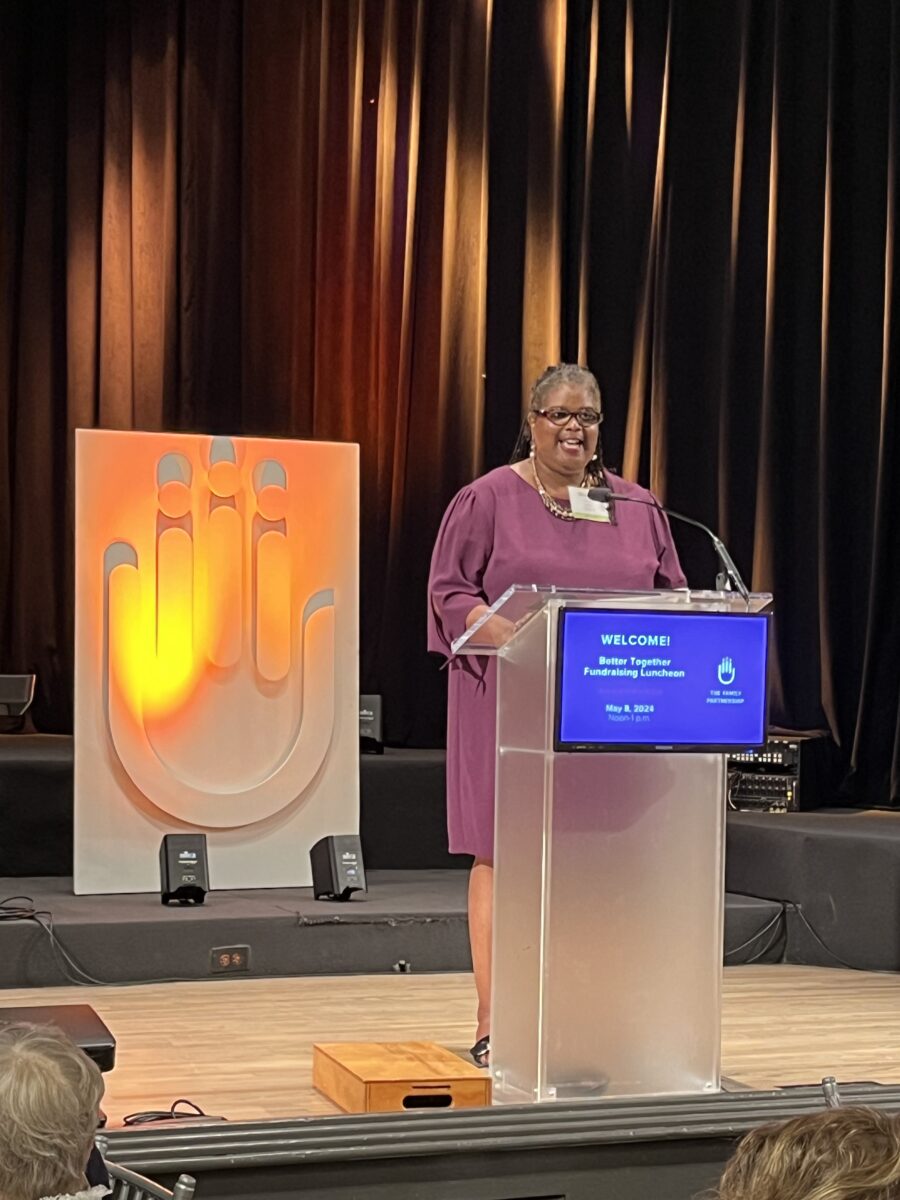
On May 8, The Family Partnership welcomed guests, staff, and volunteers to our 2024 Better Together fundraising luncheon. Dianne Haulcy, President and CEO, spoke to the healing power of relationships in The Family Partnership’s work. The event also featured inspiring stories from Ms. Linda Wilson, foster mother, and Ae Vang, outpatient therapist, who have partnered together in support of children’s healing.
We invite you to experience some of the best moments from this year’s program below!
Dianne Haulcy, President and CEO, highlights the “tremendous outcomes” achieved as a result of trusting relationships between families and staff.
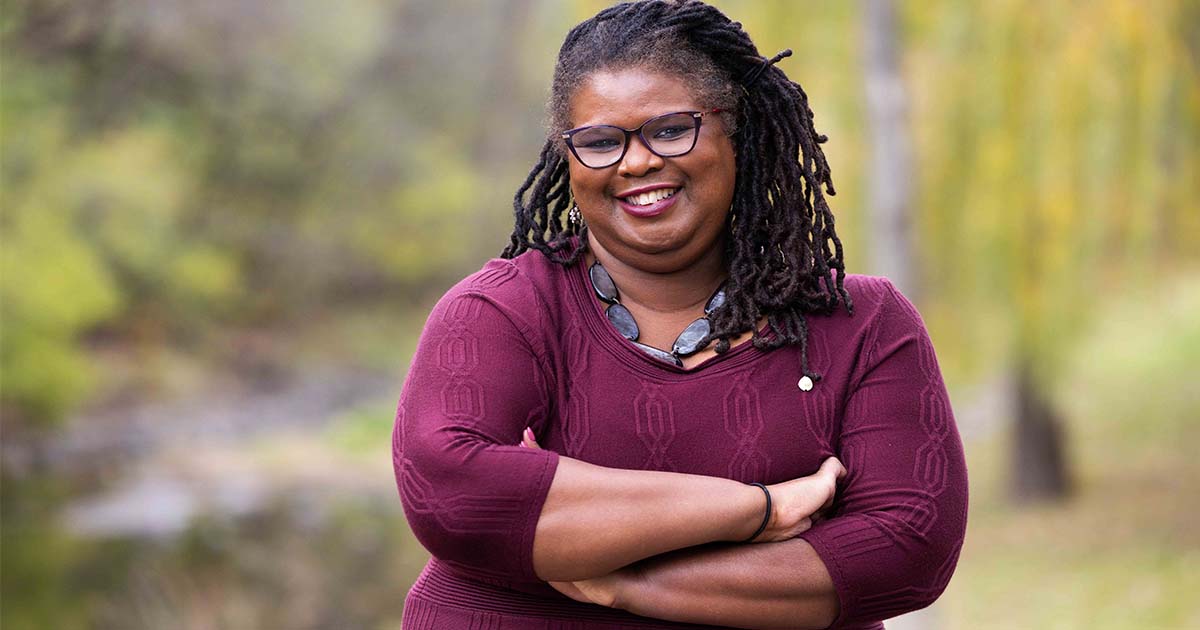
Dianne Haulcy has led The Family Partnership as President and CEO since 2022. Haulcy brings more than 25 years of nonprofit executive leadership and advocacy on behalf of children and families of color in Minnesota. She also created and hosts MPR’s Little Moments Count Early Risers podcast that discusses how to talk to young children about race and racism.
One of the core beliefs that guides The Family Partnership’s work is that ‘people change in the context of relationships.’ We believe this to be true because there is ample research to support this claim, and because we witness it over and over in our programs.
Of more than 3,000 individuals we served last year, the majority are confronting barriers related to poverty, racism, and other systemic injustices. This looks different for every family but can include daily stressors about putting food on the table and keeping a roof overhead—not to mention what those burdens do to a person’s physical and mental health over a lifetime.
Every one of the individuals we serve has a relationship with at least one TFP staff—someone who has built trust and supported them on their healing journey.
As a result, together we have achieved tremendous outcomes:
- 100% of children in our preschool programs graduated kindergarten ready, nearly double the statewide average for children living in low-income households;
- 89% of youth in mental health counseling reported stronger family relationships; think about how stronger family relationships can help teens navigate those turbulent years; and lastly,
- 93% of participants in our anti-sex trafficking program, PRIDE, decreased involvement in the commercial sex industry.
Our staff leverage a 2-generation approach and evidence-based practices in the context of trusting relationships. That means we meet people where they are at and we honor their strengths, even as we bring our expertise. When people TFP serves feel seen and their strengths are honored, you’d be amazed how they find a way where there was seemingly no way before. They break through barriers and create new legacies for themselves and their children.”
Ms. Linda Wilson, foster mother, shares how children in her care experience healing at The Family Partnership.
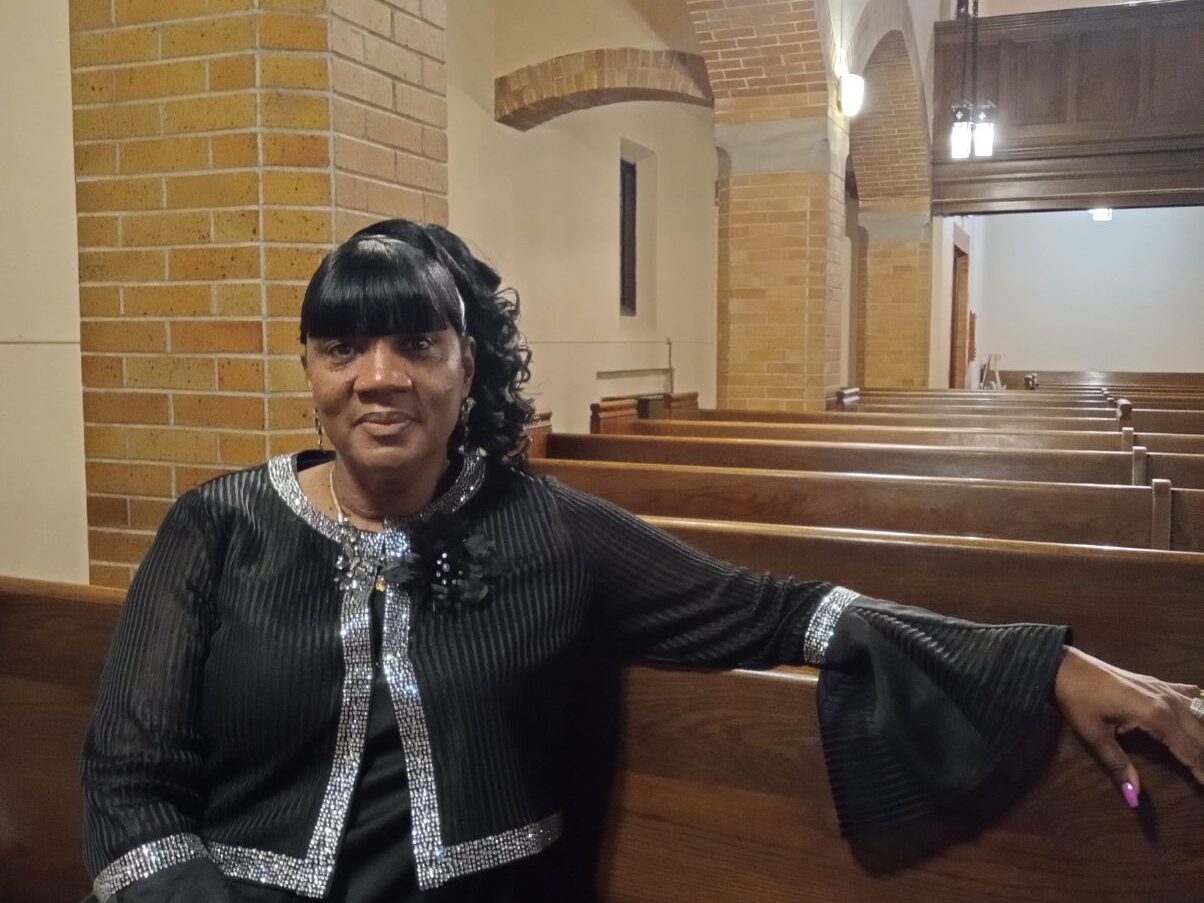
Ms. Linda Wilson has been a foster mother for over 32 years through Hennepin County, serving “more children than she can count.” Over the past twenty years, Ms. Linda has brought many of her children to The Family Partnership for mental health therapy.
I have witnessed firsthand the love, confusion, and distress of children in foster care as well as their parents as they went through times of displacement and uncertainty.
Ms. Linda Wilson, foster mother
Any child who has been taken from their home environment no matter how awful that environment may have been has experienced trauma. Whether from the actions of the home, family or situations or from the actual process and effects of the removal, they have gone through a traumatic experience.
When I first found The Family Partnership about 20 years ago, I knew I’d found a place for my children to experience healing through therapy. Many of my children have benefited tremendously from their time sorting out their emotions and life struggles with support from a therapist. Healing in therapy takes time but within a few months I would notice some positive changes in each of the children. Some changes happened slower than others, but change did happen.
Once, I remember a child who moved around like the tin man from Wizard of Oz, extremely tensed and rigid, totally stand offish and guarded. With support through mental health therapy at The Family Partnership, he slowly started to put down his walls and became more receptive to warm friendly conversations, smiles and interactions with people whom he came in contact with.
I am thankful for therapists like Ms. Ae (Dr. Ae as the kids and I call her) who have helped my children to heal from their heart and head hurts!”
Ae Vang, Outpatient Therapist, describes the way a 2gen approach builds on family strengths and leads to healing.
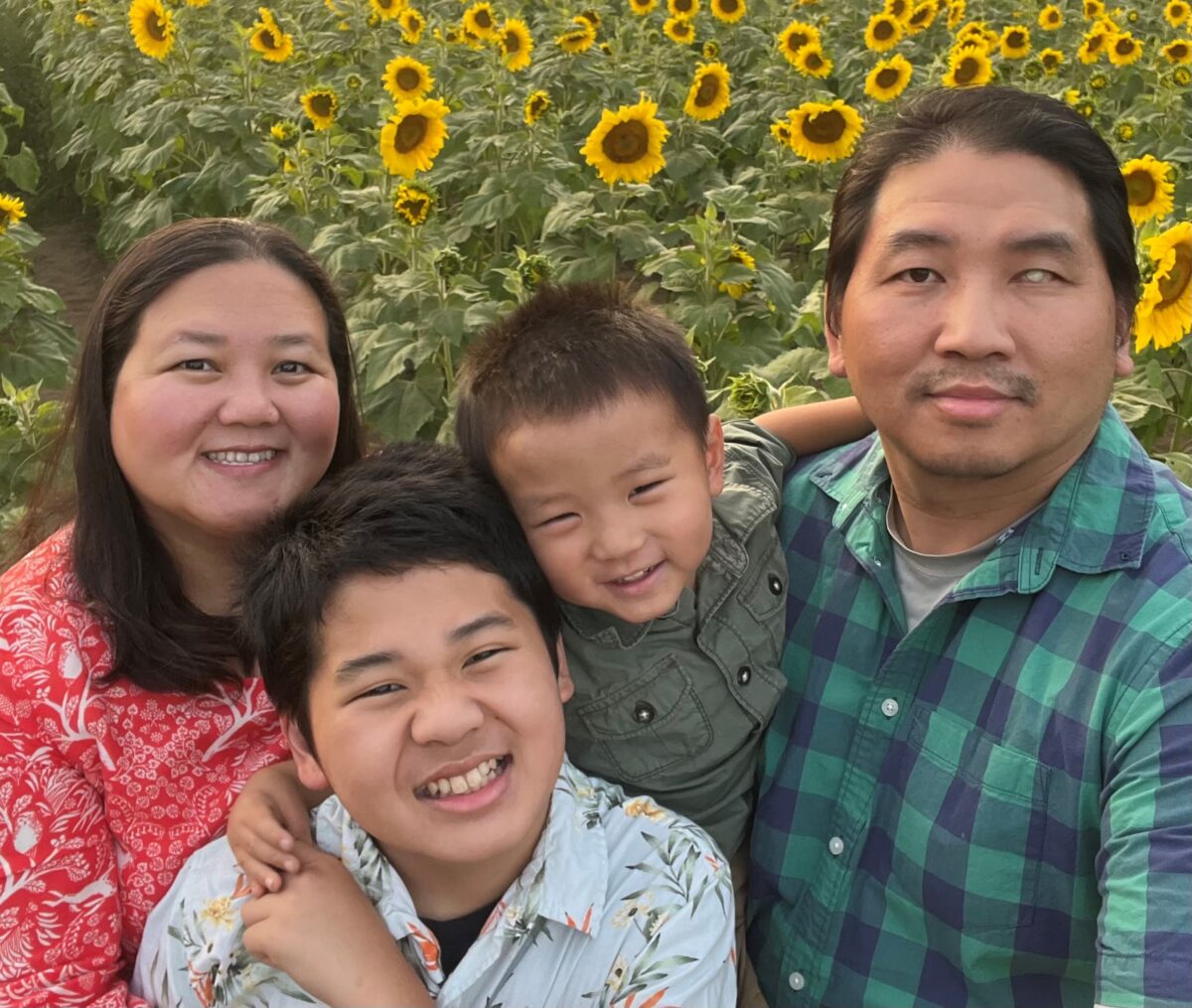
Ae Vang, MSW, LICSW, is an outpatient therapist with The Family Partnership (pictured here with her family). She works with children, adolescents, and adults, providing services in English and Hmong. Her experiences as the first-generation daughter of Hmong refugees and adult with Adverse Childhood Experiences (ACEs) impacted her decision to become a therapist. She has worked with many children and families, including Ms. Linda’s, utilizing a 2-generation or whole-family approach.
Even though I may be meeting with an individual child in therapy, this little person is part of an ecosystem.
Ae Vang, Outpatient Therapist
If that system is not stable, their healing process takes longer or in some cases it never starts because parents pull their kids from therapy. Without addressing stressors that parents face, therapy can become just another stressor. However, by utilizing a 2-generation approach, it allows conversations to take place that will not only help the child but the whole family heal.
One preteen client that I worked with had a disability due to illness. They spent a lot of time in isolation, appearing irritable, expressing suicidal ideation, and when asked to draw a self-portrait could only portray themself as a ghost or monster.
At first, I worked with just my client and their mom, but as I got to know the family better it became clear that Dad held the key to my client’s healing. Dad believed himself to be responsible for their disability, even though he made the best-informed decisions he could at the time. This had become his child’s whole identity to him—they were a reminder of his shame.
As I started working with both Mom and Dad on their grief, eventually Dad was able to change the narrative surrounding his family and be the support my client needed to overcome their struggles. Eventually my client graduated from therapy and started high school. Recently I received an update that they made a friend at school, something their parents did not think would happen because they had been a loner since starting kindergarten.
The Family Partnership’s 2gen approach affirms that all families have strengths, and my role as a therapist is to partner with families to build on those strengths.
I am happy to say that by practicing a two-generation approach in my work at The Family Partnership, I am working as a partner with parents towards the goal that nearly all share in bringing their children to therapy: to create a better future for them, and the generations to come.”
Dianne Haulcy announces The Family Partnership is prioritizing early interventions to preserve families and protect children from the trauma of separation.
Dianne Haulcy announces that The Family Partnership is exploring the possibility of becoming a Family Resource Center in South Minneapolis.
For 145 years, The Family Partnership’s work has reflected each generation’s evolving needs and goals.
Dianne Haulcy, President and CEO
Current research shows that toxic stressors like poverty, racism, and other forms of systemic injustice harm a pregnant parent and their baby’s developing brain and nervous system. The earlier we partner with parents and caregivers, the better for their children’s opportunities and outcomes.
As such, we’re exploring the possibility of becoming a designated Family Resource Center in South Minneapolis. This will allow TFP to provide additional services and resources beginning as early as pregnancy and birth that are proven to preserve families and protect children against the trauma of separation.
It’s true that most of the parents and caregivers we serve experience toxic stress, and many have also experienced trauma as children themselves. They want to disrupt the cycle—but they need some support to learn how. After all, “You can’t give what you never got.”
For most people, healing work is too heavy a burden to bear alone. No one should be expected to transmute their own pain, and the pain of their families, communities, and ancestors without support. Our work at The Family Partnership is to meet people where they’re at and honor their strengths—so they can face the past with courage and build toward a future with hope.
Valerie Kaur, in her book See No Stranger, talks about developing a revolutionary type of love that is not a culmination of emotions and romanticism but of “sweet labor,” something we choose to do every day. That is the kind of work all of us at The Family Partnership do, bringing people closer together to do the important work of healing.
Your support helps this generation to heal, so the next generation thrives.
Our partnerships make us strong. Consider a new or increased monthly gift in any amount, and your donation will be DOUBLED up to $50,000 until the end of May!
You can also check out our volunteer opportunities, donate your gently used clothes to our drop-in center, or fulfill items from our PRIDE wishlist on Amazon.
For more information on how to help generational healing in Minneapolis through The Family Partnership, contact Ashley Hemnarine, Development Director.